The effects accumulate. A family visit becomes a spreadsheet of dates, a worker starts carrying more proof, and a short trip gets planned around a queue that did not exist last year.
The Paperwork Moved Upstream
Many 2026 changes shifted checks earlier in the journey. Airlines, employers and universities now verify details that officials once reviewed at the border. Travellers see the result before they reach the terminal.
That does not make the rules shorter. It makes them less visible. A rejected online form can cancel a trip just as effectively as a conversation at a gate.
Queues Are Part of Policy
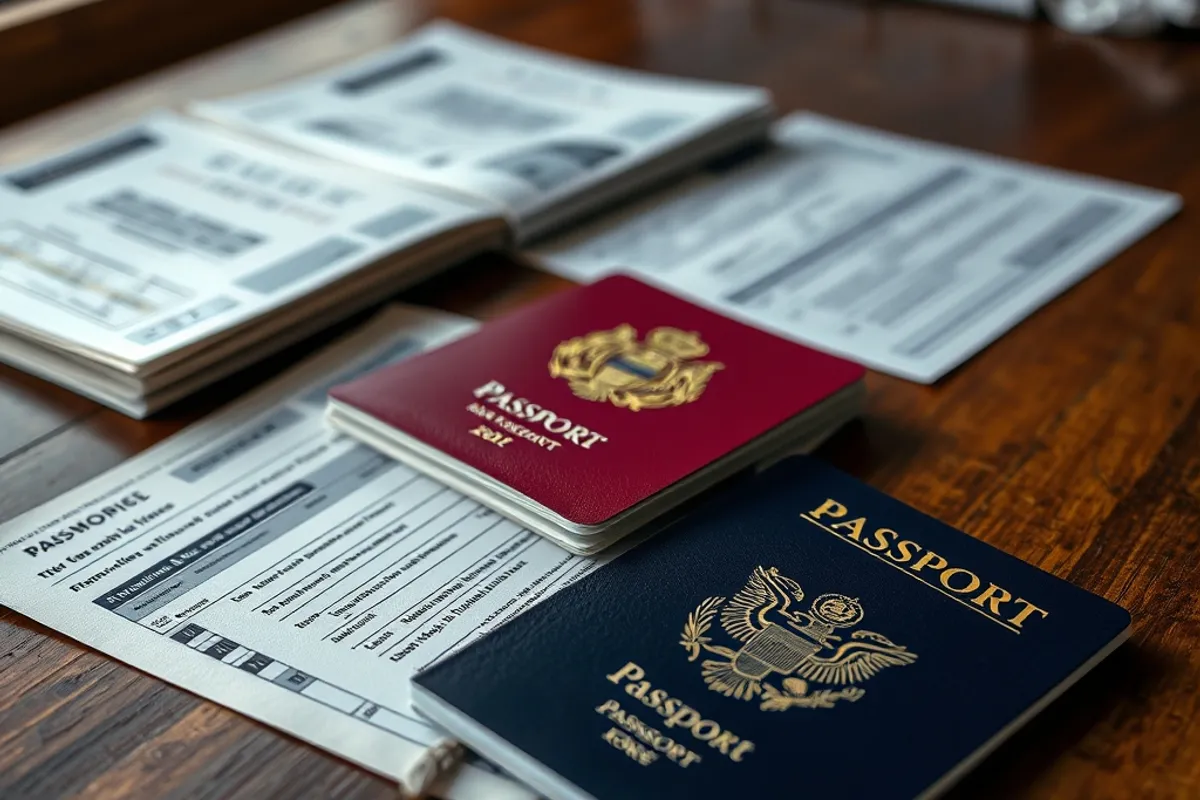
Processing time is a policy choice, even when it looks logistical. Extra interviews, biometric checks and document reviews create queues that shape who can travel at short notice.
Frequent travellers adapt by leaving larger margins. Families visiting relatives, students and seasonal workers have less room to absorb delay.
Work and Family Rules Converge
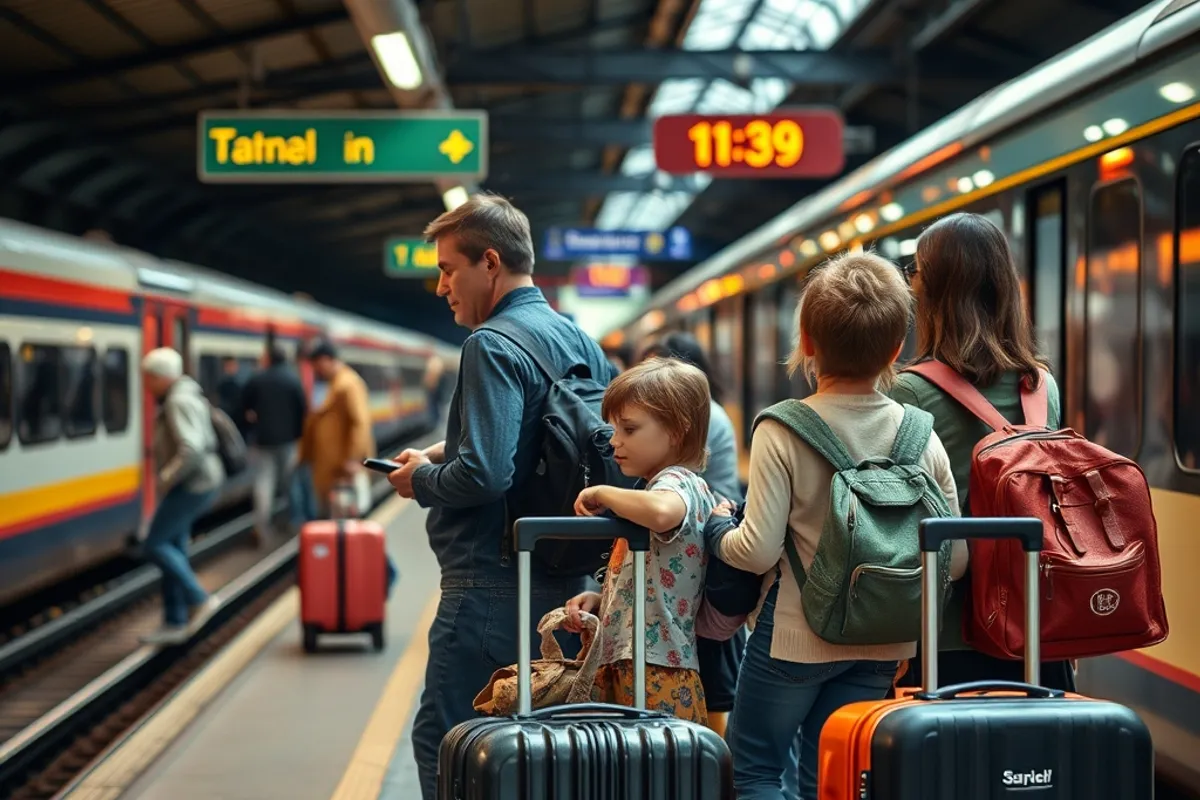
Employment verification and residency rules increasingly overlap. A job offer may depend on a status check, while family reunification may require proof of income that was not requested before.
The practical advice is simple: keep dated copies of every submission and read the rule as it applies to your own situation, not as a summary in a news feed.

Reading the Change Honestly
Official announcements describe the goal of a rule; they rarely describe the waiting time. Reporting the change properly means following both the legal text and the experience of people using it.
Where data is limited, say so. A rule that looks minor on paper can be significant when it applies to thousands of people on the same day.

A border rule is felt in the paperwork long before it is felt at the gate.
What drives voter turnoutRates and household budgetsOECD migration and mobility data