Science and Environment, Read Carefully
Science reporting is at its best when it explains how a result was reached. This section covers climate data and space missions through the instruments and methods behind the headlines.
We keep claims within the evidence and make uncertainty readable rather than hiding it.
Method Matters
Expect explanations of baselines, instruments, samples and the limits of each dataset.
A result is easier to judge when you know what was measured and what was inferred.
Cumulative Evidence
Most discoveries refine an existing picture rather than replacing it overnight.
We show where new data fits and which questions remain open.
Good science reporting explains the limits as carefully as the result.
Latest in Science & Environment
Start here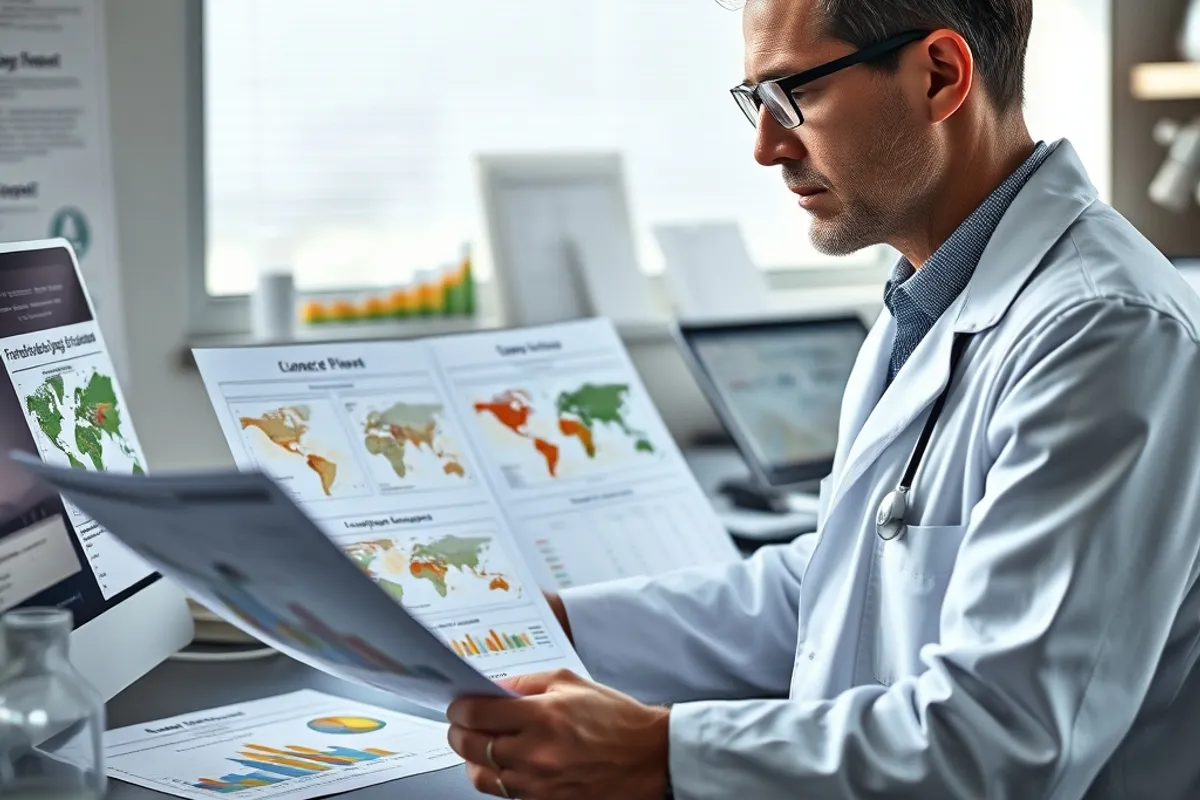 Science & Environment
Climate Data in 2026: How to Read the Evidence Clearly
Climate data in 2026 arrives as charts, indexes and headlines. We explain how to read the evidence, spot uncertainty and compare claims without noise.
 Science & Environment
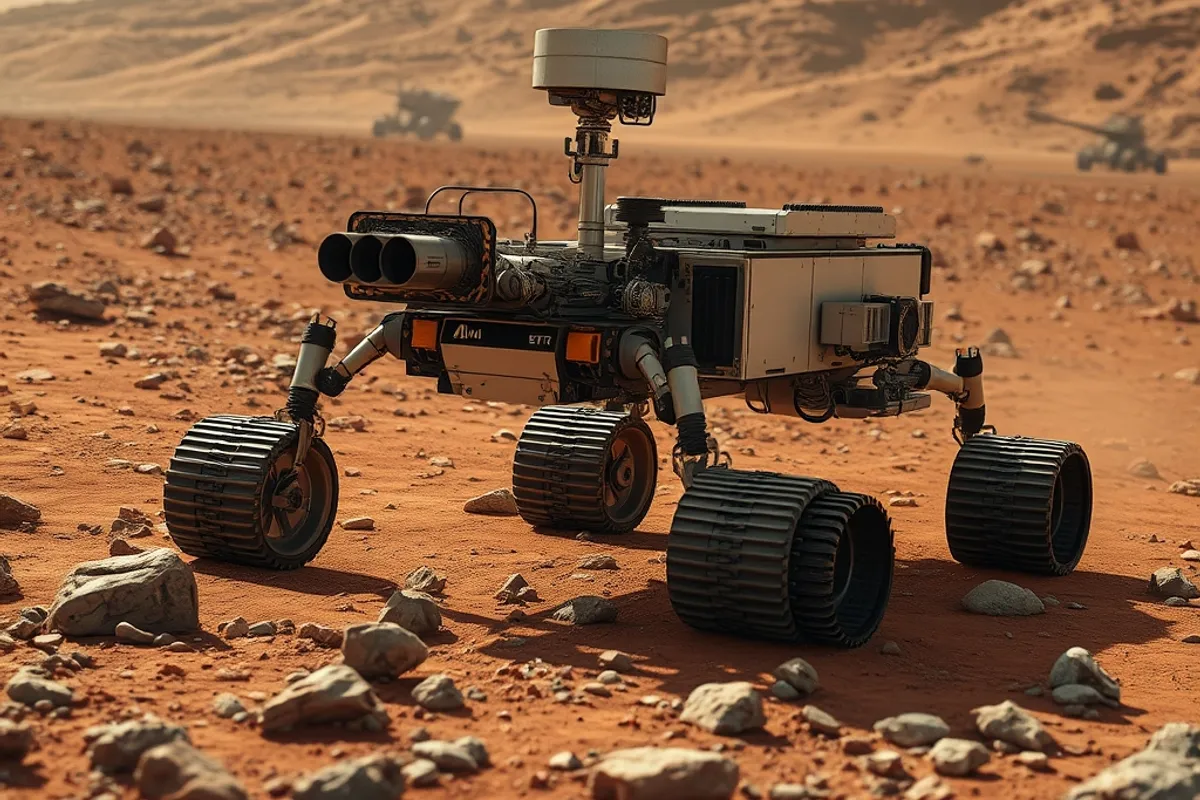
Space Missions in 2026: What New Discoveries Tell Us
Space missions in 2026 returned new data from orbit, Mars and deep space. We explain what the discoveries confirm, what remains uncertain and why it matters.