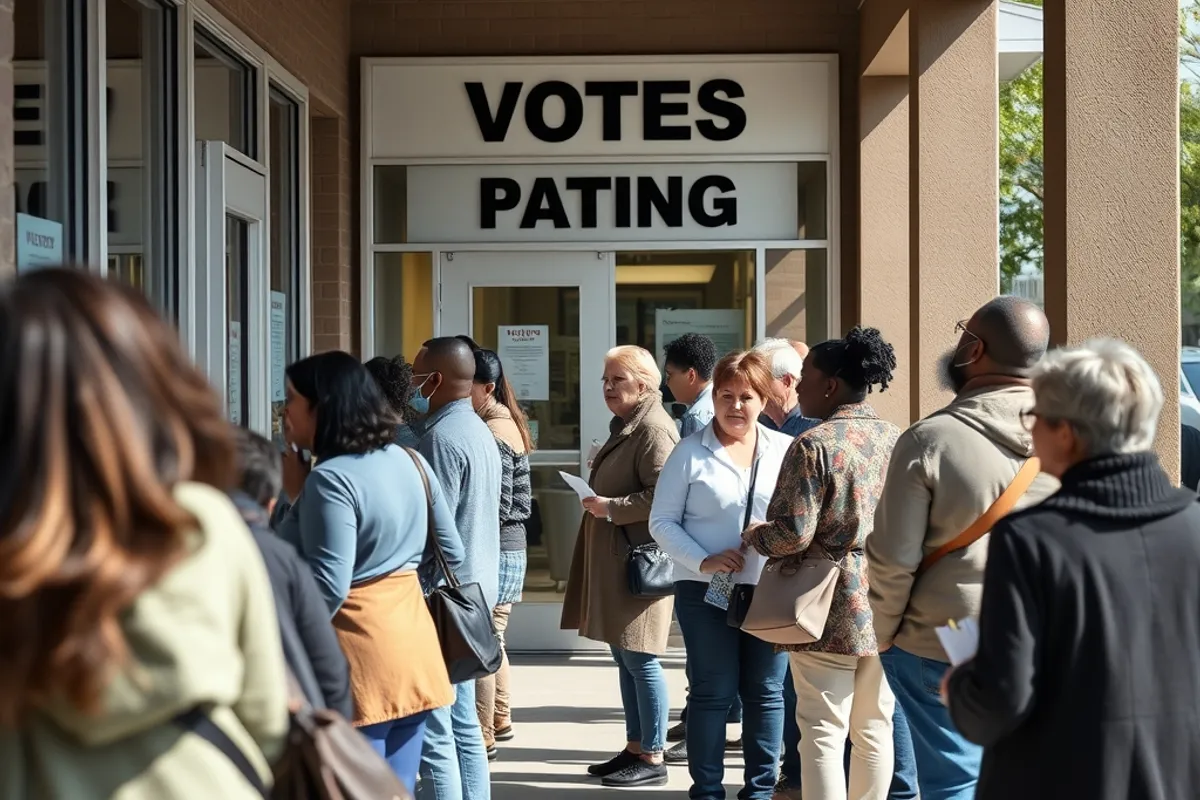
Looking at 2026 contests through that chain explains why some places saw steady queues while others stayed quiet. The reasons are rarely exotic, and they are useful to anyone studying civic life.
Local Issues Travel Furthest
National campaigns dominate headlines, but local concerns decide many votes. Housing costs, refuse collection, school places and the condition of roads appear in kitchen conversations long before party slogans do.
Where those services are visibly improving, turnout tends to hold. Where residents feel ignored, both anger and abstention can rise. The same national party can therefore perform very differently two towns apart.
Access Shapes the Queue
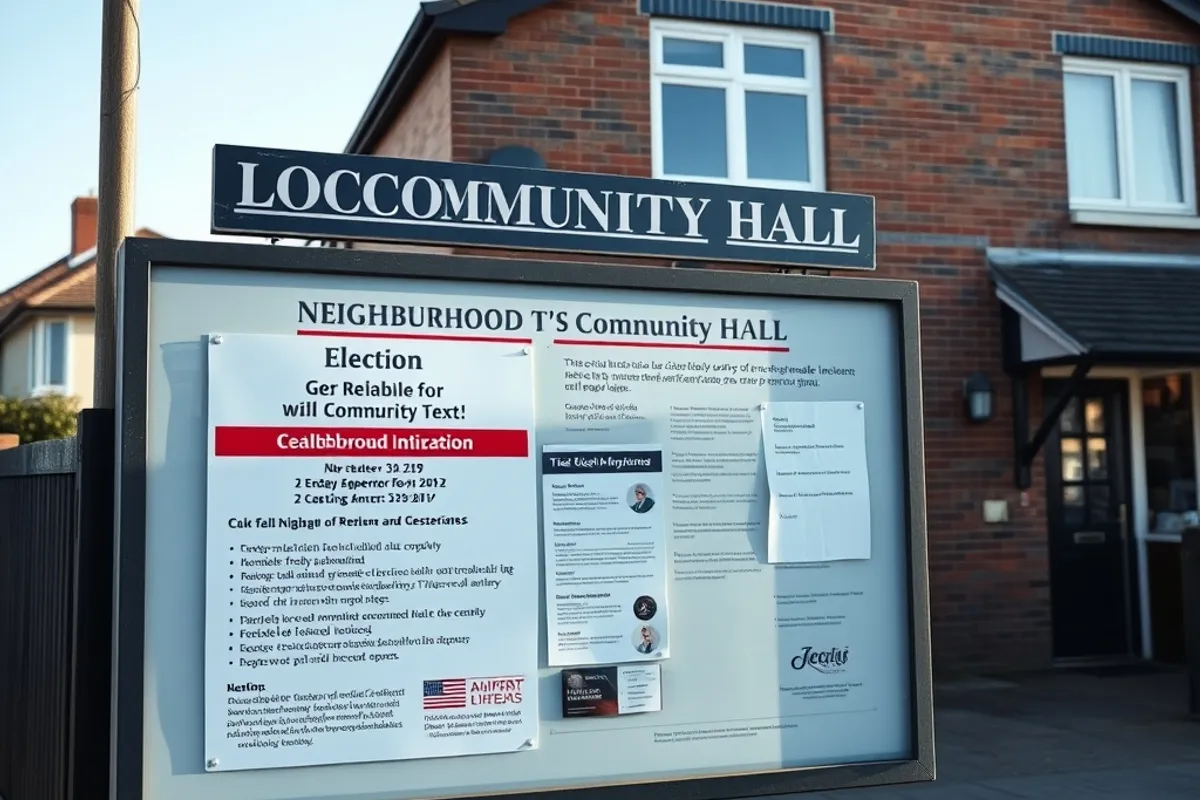
Registration deadlines, polling hours and transport links quietly decide who can vote. A difficult registration form costs more votes than a persuasive speech, especially for younger and mobile citizens.
Election officials who publish clear locations, keep queues moving and offer accessible booths remove friction. Those administrative details rarely make campaign adverts, yet they change the final count.
Trust Is Built Before Election Day
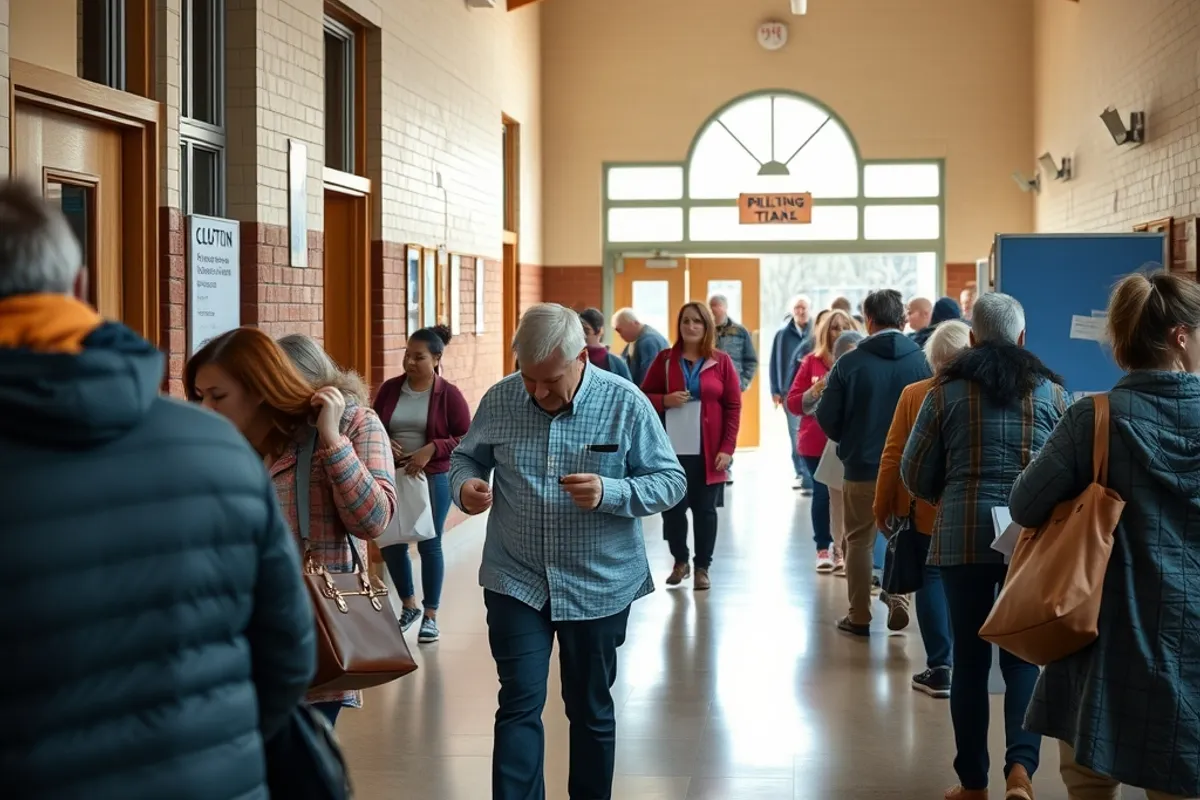
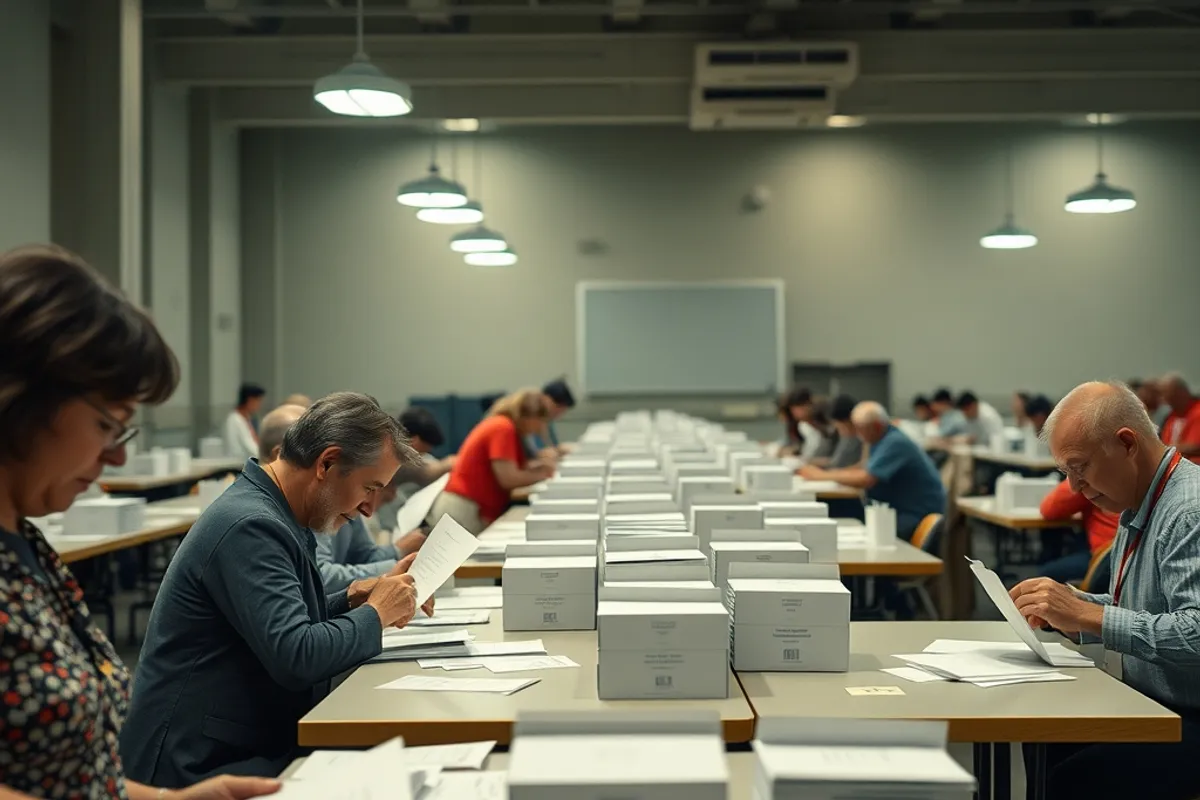
Confidence in the count is cumulative. Transparent counting, published results and visible corrections after mistakes all help. When those basics are missing, uncertainty grows regardless of the result.
Communities with regular local consultation carry that habit into elections. People who see their views reflected during the year are more likely to believe the ballot matters.
What the Numbers Do Not Say
A turnout percentage cannot explain motivation on its own. It mixes new voters, habitual voters and people who stayed home for very different reasons. Surveys help, but they also simplify.
The honest reading combines official figures with local reporting and an awareness of what changed in the rules. That is slower than a headline, but it produces a much clearer picture.
Turnout is not only a measure of interest; it is a measure of access.
Border rules in 2026Community life and local eventsUnited Nations civic information