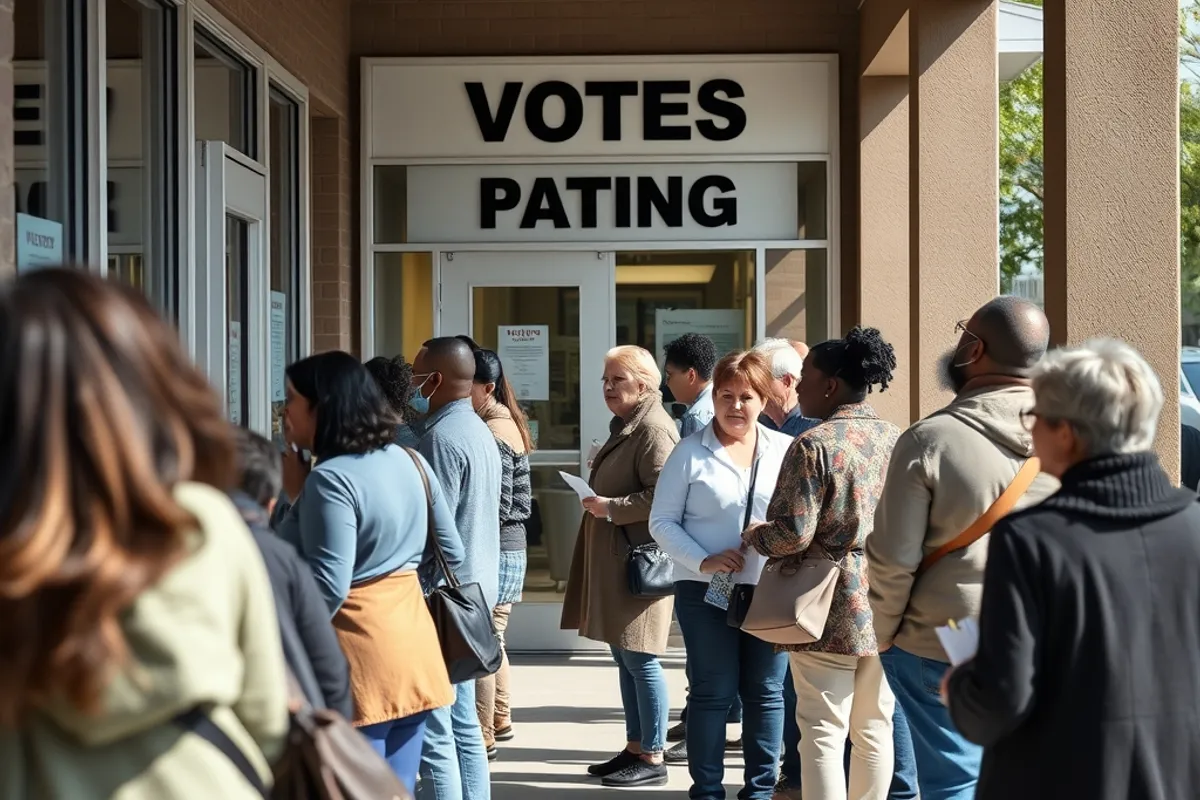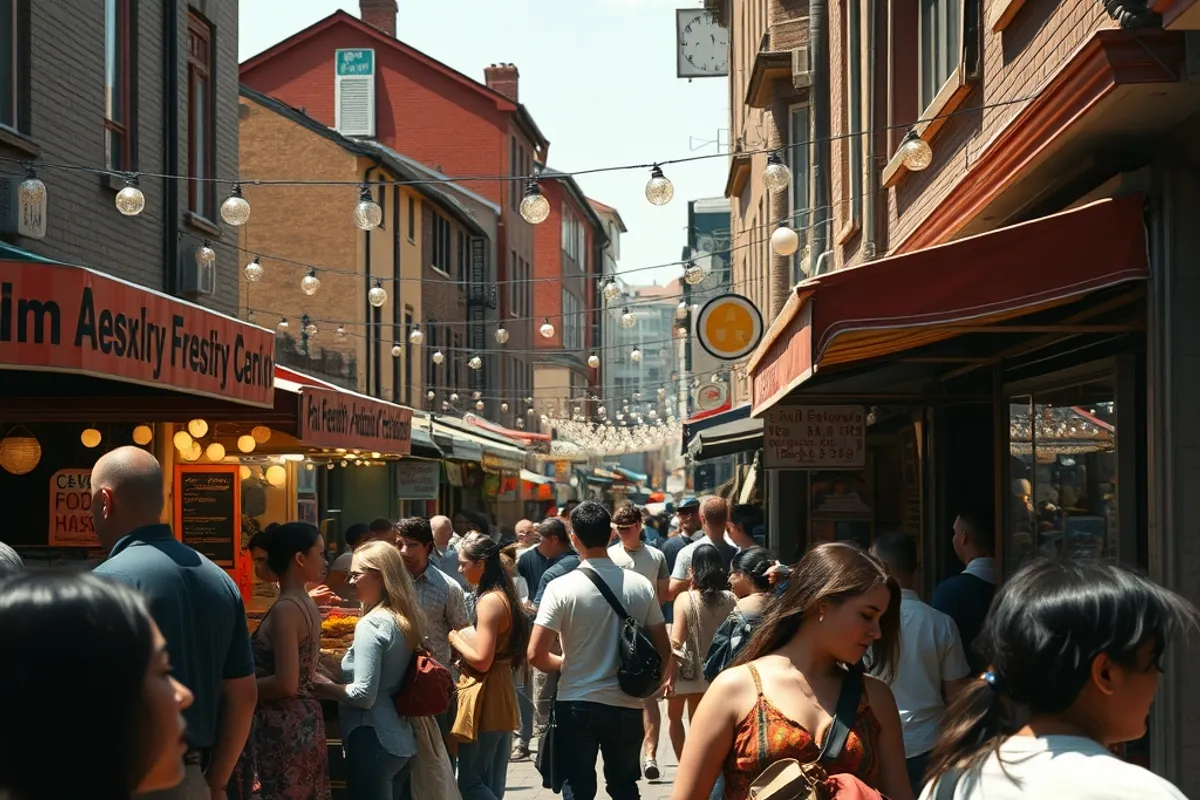
The events that last are not always the biggest. They are the ones that leave a neighbourhood with stronger connections after the stalls are taken down.
Who Pays and Who Benefits
Festivals often rely on a mix of local grants, sponsorship and stall fees. That mix shapes who can take part and what the event becomes.
Organisers who publish a simple budget build trust. Nearby businesses can see whether spending stays in the area and whether the event helps them rather than competing with them.
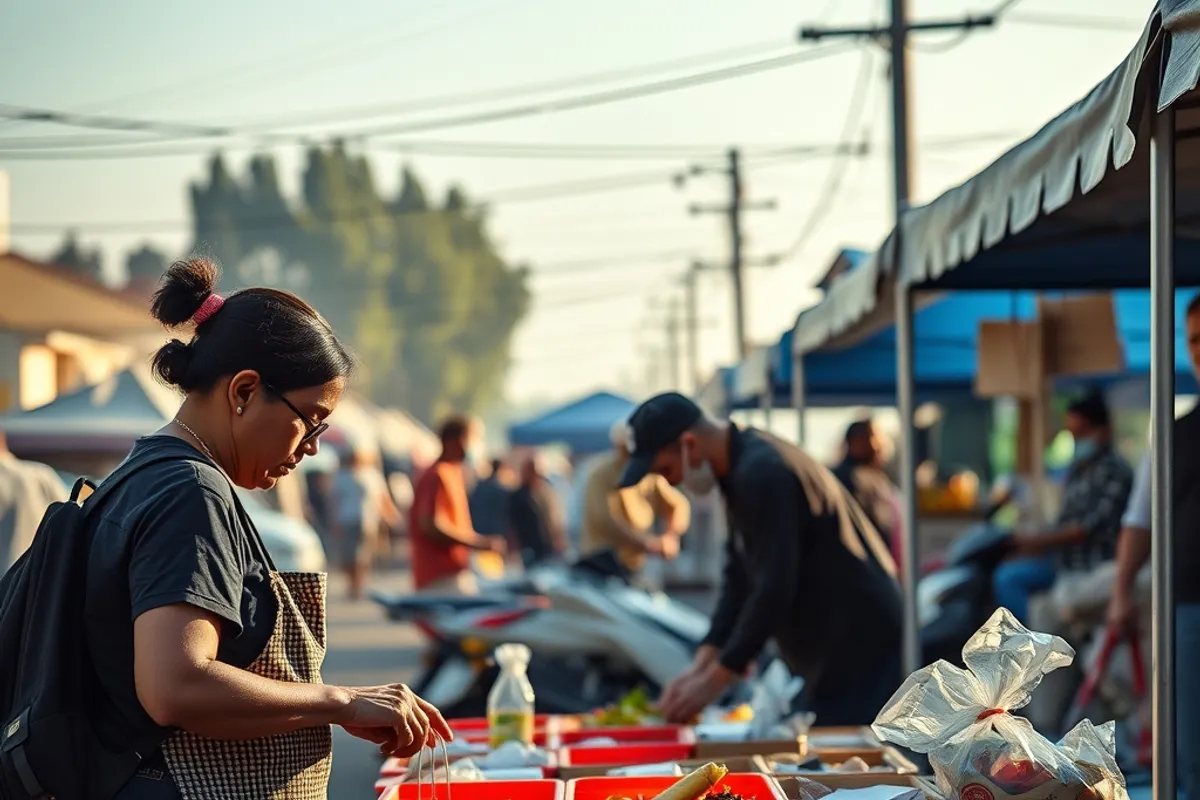
Volunteers Need a Plan
Good festivals do not run on enthusiasm alone. They need clear shifts, named leads, a contact sheet and a plan for the moment when someone cannot attend.
Recognising volunteers publicly costs little and keeps the team together for the next year. Burnout is the most common reason a successful event disappears.
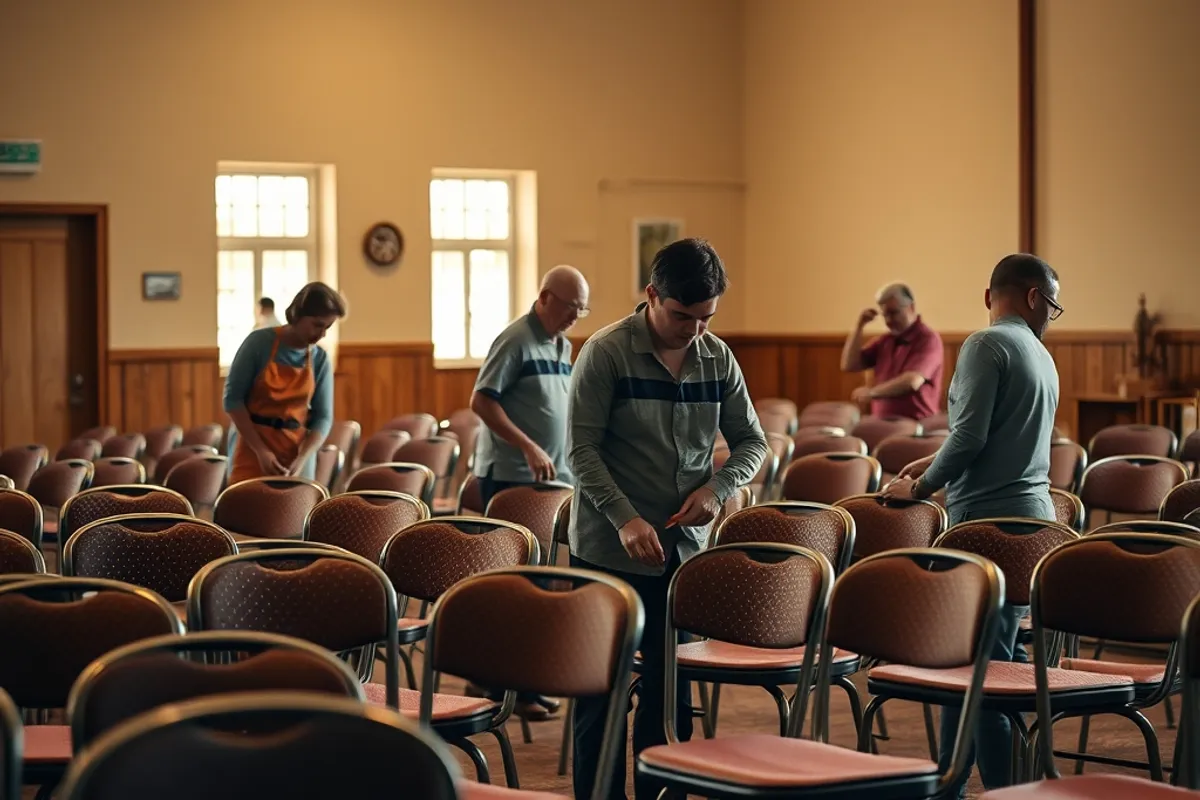
Measuring More Than Attendance
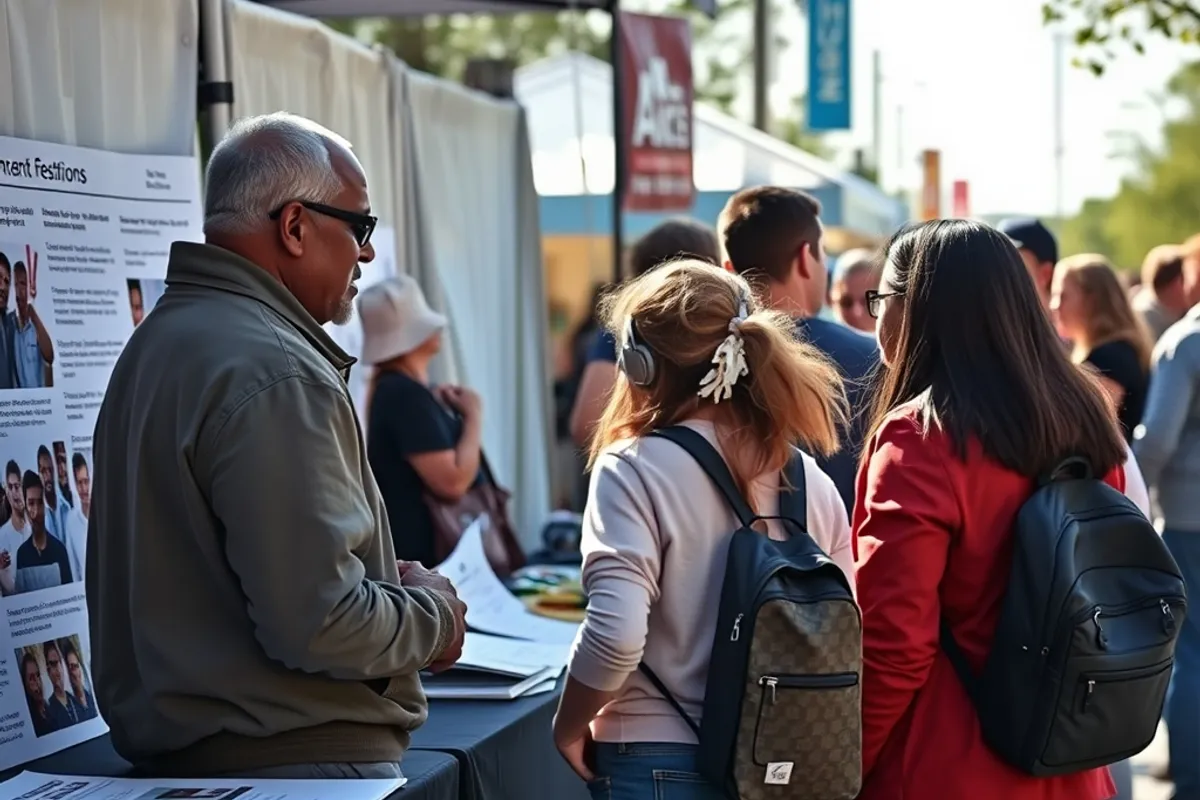
Crowd size is easy to count but says little about impact. Better questions include how many visitors came from the neighbourhood, which stalls made sales and whether new people met each other.
A short survey at the exit can answer those questions without burdening visitors. The results help the next organiser make decisions with evidence.
Keeping the Streets Usable
A festival should leave the street clean and accessible. Waste collection, accessible routes and clear signage matter to residents who did not attend.
The best events plan the morning after as carefully as the opening hour. That habit turns a one-day crowd into long-term support.
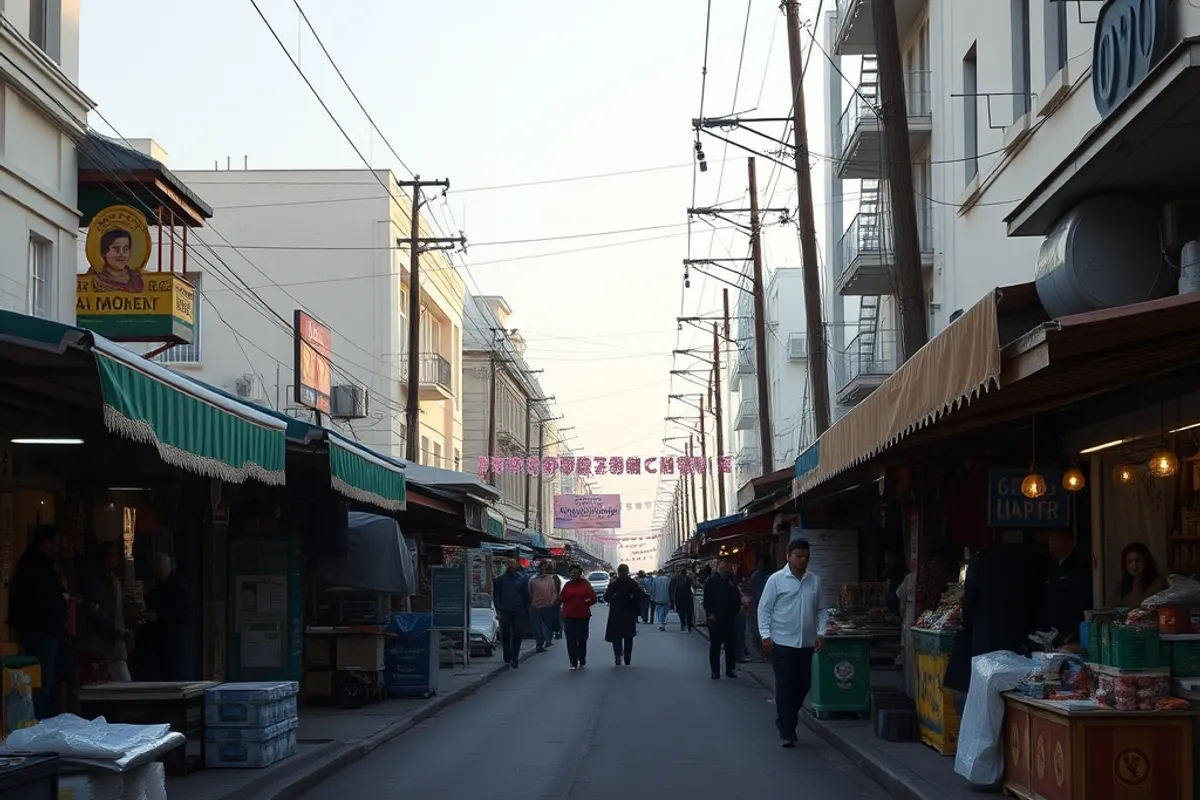
The measure of a festival is what remains when the street reopens.
Civic participation and turnoutChanging viewing habitsUnited Nations local culture resources